
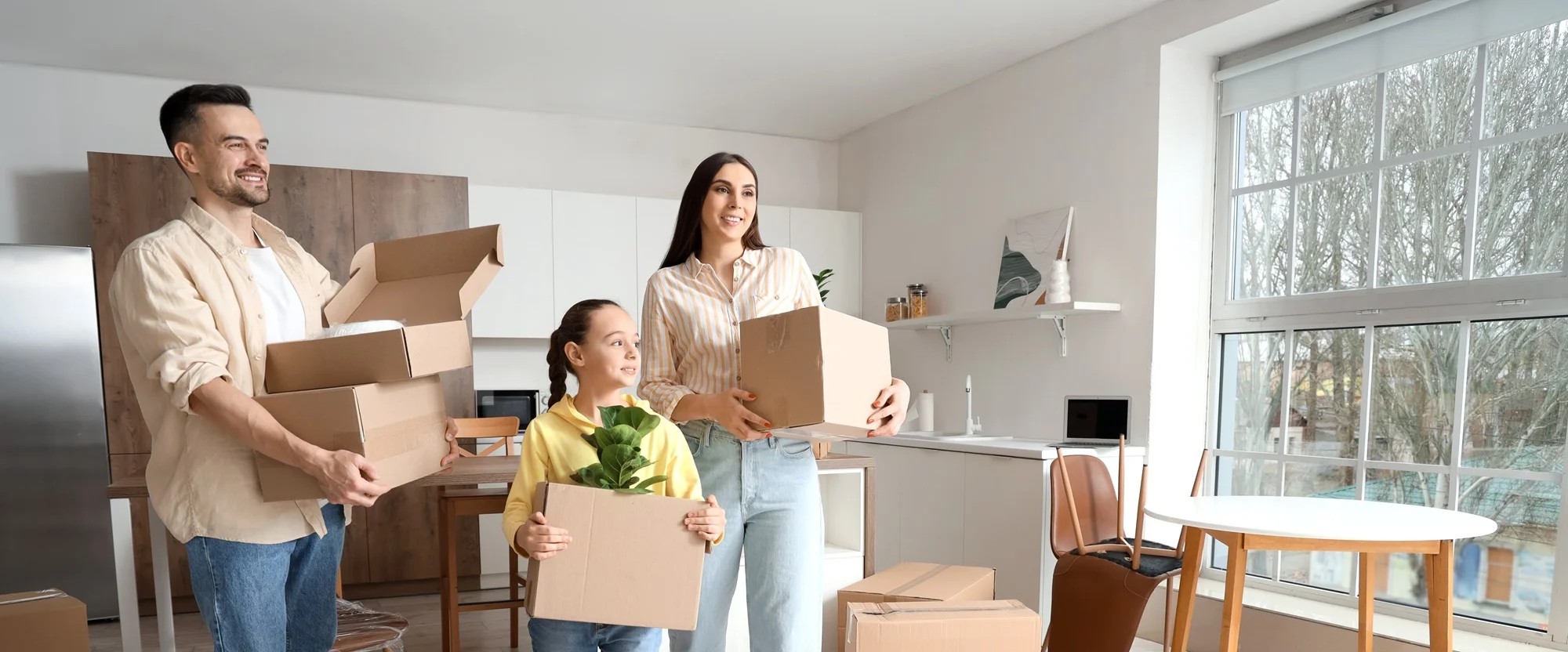
Furniture is usually among the most demanding parts of a residential relocation. Boxes can be sealed and stacked, but sofas, beds, wardrobes, dining tables, cabinets, and other large pieces require a different kind of preparation. They have to leave the room, pass through doorways, reach the vehicle, survive transportation, and arrive at the new property without unnecessary damage.
Preparing furniture before the crew arrives can make the entire process more organized. It also gives Pro Movers and Storage a clearer idea of what needs to be handled, disassembled, protected, and eventually placed at the destination.
Start With a Furniture Inventory
Before moving anything, walk through every room and make a list of the larger pieces. Include bedroom furniture, living-room seating, dining sets, office desks, shelving, cabinets, outdoor furniture, and other substantial belongings.
This inventory can also reveal which pieces are no longer worth transporting.
Decide What Belongs in the New Home
Measure large furniture against the floor plan of the destination. A wardrobe that worked in a spacious bedroom may not suit the new layout, while an oversized sofa could create problems in a narrower living area.
Removing unwanted furniture before moving day saves both space and effort.
Measure the Route, Not Just the Furniture
Knowing an item’s dimensions is only half the preparation. You also need to consider how it will travel from its current position to the moving vehicle.
Check doorways, hallways, staircases, elevators, gates, and tight corners.
Look for Potential Obstacles
A large table may fit through the front door but become difficult to turn in a narrow hallway. A tall wardrobe may require a different angle or partial disassembly.
An experienced moving team can assess these challenges, but providing accurate information beforehand helps Pro Movers and Storage plan the relocation more efficiently.
Prepare Furniture for Disassembly
Some furniture is easier to transport after appropriate components have been removed. Bed frames, dining tables, shelving units, desks, and certain cabinets may have detachable parts.
Only remove components that are designed to come apart and keep every screw, bolt, bracket, and fitting together.
Keep Hardware With the Correct Piece
Use labeled bags for hardware and attach them securely to the corresponding furniture item or place them in a clearly identified container.

Take photographs before disassembly when a piece has a complicated structure. Images can provide a useful reference during reassembly.
Protect Surfaces Before Loading
Wooden finishes, glass panels, mirrors, upholstery, and painted surfaces can be vulnerable during transportation.
Furniture should be appropriately wrapped or padded, with particular attention given to corners and exposed surfaces.
Treat Delicate Pieces Differently
An antique cabinet should not necessarily be prepared in the same way as a basic shelving unit. Glass doors, decorative elements, polished surfaces, and fragile components may require additional protection.
Pro Movers and Storage provides residential moving support for furniture and household belongings, with service options designed to handle the physical requirements of a complete home relocation.
Clear Furniture Before the Crew Arrives
Drawers, cabinets, desks, and shelving should generally be emptied before they are moved. Loose objects can shift during handling and add unnecessary weight.
Remove personal items from furniture and pack them separately.
Keep Valuables Separate
Jewelry, important documents, cash, small electronics, and other high-value personal belongings should remain with you rather than being left inside furniture.
This also makes individual pieces lighter and easier for movers to handle.
Think About Floors and Walls
Furniture preparation is not only about protecting the furniture itself. Moving large pieces through a home can expose floors, walls, door frames, railings, and other surfaces to accidental contact.
Clear the route and remove unnecessary objects from the pathway.
Make the Destination Ready
Before delivery, make sure the new home has clear access. If possible, decide where large furniture pieces will be placed before they arrive.
For homeowners reviewing residential relocation options, current information about Pro Movers and Storage is available at https://promoversandstorage.com/.
Coordinate Special Requirements
Some households contain possessions that require more planning than ordinary furniture. Pianos, large safes, oversized cabinets, pool tables, or particularly heavy pieces may need specialized handling.
Mention these items when arranging the move rather than treating them as ordinary household furniture.
The company’s current Residential Moving Services cover household relocations and can be coordinated around the specific requirements of the property and belongings.
Keep the New Floor Plan Nearby
A simple room-by-room placement list can help movers unload efficiently. Marking where the sofa, beds, dining table, cabinets, and other major pieces belong reduces unnecessary repositioning.
For more information about Pro Movers and Storage’s residential moving options, visit https://promoversandstorage.com/services/residential-moving-services.
Make Moving Day Easier
On the morning of the move, the best preparation is a clear path and a clear plan. Furniture should be emptied, removable components prepared, fragile surfaces protected, and destination locations established.
Pro Movers and Storage can take on the demanding physical work involved in loading, transporting, and unloading household furniture, leaving homeowners free to manage keys, utilities, family arrangements, and other details of the relocation.
Residential Moving Services can be especially valuable during a complete household move because furniture preparation is only one part of the larger process. With the major pieces assessed and prepared in advance, the relocation can proceed with fewer surprises and a much clearer sequence from the first room to the final placement.