
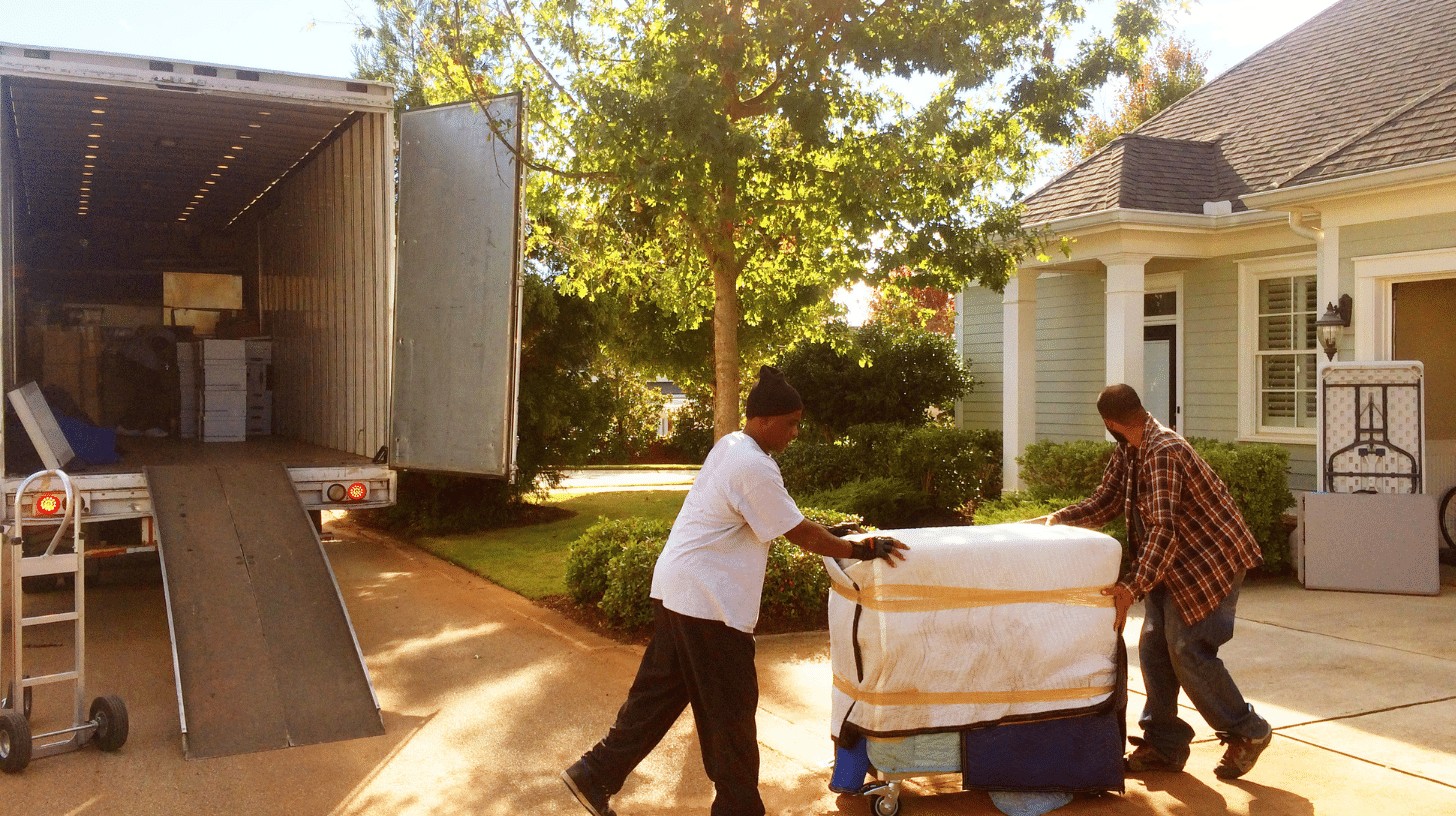
There is something uniquely satisfying about moving into a home that has just been built. Fresh floors, untouched rooms, new fixtures, and a layout designed for modern living create an exciting blank canvas. But a new construction property can also introduce moving-day challenges that do not exist in an established home.
Construction schedules can change, exterior areas may still be unfinished, and access routes can be different from what you experienced during earlier visits. A successful residential move therefore starts with confirming that the property is genuinely ready to receive a full household.
Confirm That the Property Is Ready for Delivery
Before scheduling the move, verify the expected completion and occupancy timeline.
A house may appear nearly finished while contractors are still completing flooring, fixtures, landscaping, or other work. Make sure the property can legally and practically accept your belongings before the moving truck is scheduled.
Price Movers provides relocation solutions for households moving into different types of properties. More information about the company is available at https://pricemovers.com/.
Check the Actual Access Conditions
Do not rely entirely on photographs or plans from earlier construction stages.
Visit the property close to moving day if possible. Check the driveway, garage, front entrance, side access, walkways, doors, and interior routes.
Protect New Floors and Walls
Freshly installed surfaces deserve special consideration.
New hardwood, tile, engineered flooring, carpet, painted walls, cabinets, and trim can be vulnerable to scratches or marks during unloading.
Discuss appropriate floor and surface protection with the moving crew before delivery.
Keep Construction Materials Out of the Route
If contractors are still working on the property, tools, ladders, packaging, paint cans, and building materials can quickly turn a clear hallway into an obstacle course.
The moving route should be free of unnecessary construction equipment before large furniture enters the home.
Check the Driveway and Exterior Approach
New construction neighborhoods can have unfinished roads, temporary surfaces, or limited parking.
A moving truck needs sufficient space to approach and remain positioned during unloading.
Look for Temporary Restrictions
Construction activity may block streets, driveways, or sections of the development.
If another contractor is scheduled on moving day, coordinate arrival times so the moving crew is not competing for the same access area.
Measure Doorways Before Delivery
New homes are not automatically easier to furnish.
Measure the main entrance, interior doors, hallways, staircases, and other areas where large furniture will travel.
Compare those dimensions with sofas, beds, cabinets, appliances, and other bulky possessions.
Prepare the Utility Connections
Before the household arrives, confirm that essential utilities are active.
Electricity, water, heating or cooling, and other necessary services should be operational.
If internet installation is important for work or school, schedule it early enough to avoid unnecessary downtime.
Test Essential Systems
Check lights, faucets, toilets, heating or cooling, appliances included with the home, and other basic systems.
If something does not work, report it before the moving crew fills the rooms.
Complete a Walkthrough Before Unloading
Take time to inspect the house while it is still empty.
Look for visible defects, unfinished areas, damaged surfaces, missing fixtures, or anything that should be documented with the builder.
Photograph the Property
Photographs can provide a useful record of the home’s condition before your belongings arrive.
Capture floors, walls, doors, stairs, cabinets, countertops, and other newly completed surfaces.
Decide Where Furniture Will Go
A new construction home often has an open layout, which can make furniture placement less obvious.
Create a simple room-by-room plan before moving day.
Keep Large Pieces Moving in the Right Direction
If several large items need to pass through the same entrance, decide which ones should enter first.
A massive sofa left in a narrow hallway can prevent beds, cabinets, or other furniture from reaching their rooms.
Tell Residential Movers About the Property’s Construction Status
New construction can create unusual access conditions.
Let residential movers know if the driveway is unfinished, if landscaping limits access, if certain entrances cannot be used, or if contractors will still be present.
The more accurate the information, the easier it becomes to prepare an appropriate unloading strategy.

Keep Construction-Related Items Separate
Do not allow moving boxes to become mixed with materials that belong to the builder.
If contractors leave protective coverings, manuals, fixtures, or other property-related materials, designate a separate location for them.
This keeps important home documentation from disappearing into the general unpacking process.
Prepare the Garage and Storage Areas
New homeowners often underestimate how quickly a garage fills up.
Decide where tools, seasonal belongings, bicycles, outdoor equipment, and boxes will go.
Avoid using the garage as a temporary dumping area if you expect to park the moving vehicle there or need access to utilities and equipment.
Plan Around Contractors
If painters, installers, flooring specialists, or other tradespeople still need access, establish a clear schedule.
Some work is much easier to complete before furniture arrives. Other tasks may require rooms to remain empty.
Coordinate these activities before delivery rather than trying to work around fully furnished rooms.
Keep an Essentials Kit Accessible
Even when the new house is ready, unpacking may take several days.
Keep toiletries, bedding, chargers, basic kitchen supplies, cleaning products, tools, documents, and clothing readily available.
Do not place these items inside boxes that will be difficult to reach.
Allow Time for the House to Become Yours
A new construction home can require attention beyond the physical move.
You may need to learn new systems, complete warranty paperwork, organize storage, and schedule finishing work.
Residential movers can handle the physical transportation, while your preparation ensures the property is ready to receive everything without unnecessary disruption.
Price Movers offers residential relocation services for households moving into new properties, with additional information available at https://pricemovers.com/.
Make the Empty House Work in Your Favor
The biggest advantage of moving into a newly constructed home is the opportunity to prepare before it becomes crowded.
Confirm occupancy, inspect the property, protect new surfaces, check access, activate utilities, coordinate contractors, measure tight routes, and decide where major furniture belongs.
Once those details are settled, the arrival of the moving truck becomes a much simpler part of the process—and the empty new house can quickly begin its transformation into a comfortable home.