

A short-distance relocation can create a misleading sense of simplicity. When the new property is only a few miles away, it is tempting to assume that everything can be handled as the day unfolds. In reality, loading furniture, navigating access points, protecting belongings, and setting up the destination still require coordination.
A moving-day plan gives every stage a place on the schedule. It also creates room for the small delays that are common when a household is being physically dismantled and rebuilt somewhere else.
Start With the Two Addresses
Write down the complete details for both properties.
Include access instructions, parking information, gate codes, stairs, elevators, narrow entrances, and any other conditions that could affect loading or unloading.
Nevada Movers can use these details to prepare for the physical side of the relocation rather than discovering important obstacles after arriving.
Identify the Critical Timing
Determine when the old property must be empty and when the new one becomes accessible.
If there is a gap between those times, account for it instead of assuming the truck can simply wait indefinitely.
Divide the Day Into Stages
A useful moving-day schedule should not consist of one large block labeled “move.”
Break it into distinct phases:
- final preparation;
- loading;
- transportation;
- arrival and access;
- unloading;
- essential setup.
This makes it easier to see where time is actually being spent.
Give Loading Its Own Time Window
Do not calculate the schedule based solely on driving distance.
Furniture needs to be carried from rooms to the truck, protected, positioned, and secured. Stairs, long hallways, elevators, and bulky items can all change the amount of time required.
Prepare the Home Before the Crew Arrives
Finish as much preparation as possible beforehand.
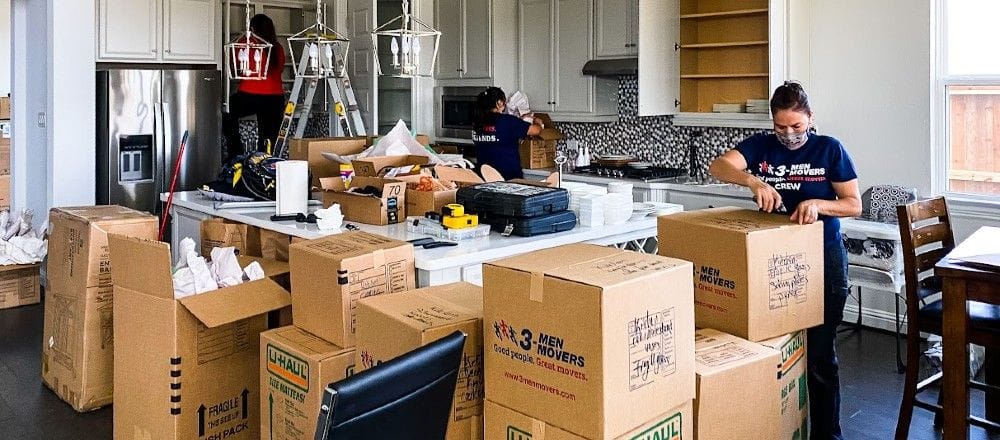
Boxes should be sealed and labeled, pathways should be clear, and furniture that is being disassembled should be ready where appropriate.
Keep important documents and personal essentials separate from the main shipment.
Local services work most efficiently when the property is ready for the crew rather than still undergoing major packing.
Create a Loading Order
Not every item needs to be approached randomly.
Think about the relationship between furniture and boxes. Large pieces may require specific positioning, while fragile belongings need appropriate protection.
Keep items that you will need immediately after arrival identifiable and accessible.
Separate High-Priority Belongings
Prepare a first-night collection containing toiletries, clothing, chargers, medications, documents, basic kitchen supplies, and other necessities.
Keeping these items separate means you will not have to search through multiple cartons after arriving.
Plan the Drive, Not Just the Distance
Even a short relocation across Las Vegas can involve traffic or unexpected delays.
Consider the time of day, the route between the properties, and any unusual access conditions. If the destination is located in a managed community, make sure the moving vehicle is permitted to enter and load or unload where required.
Nevada Movers can handle the transportation stage, but accurate information about the properties and schedule helps keep that stage coordinated.
Make the Destination Ready
Before the truck leaves the first property, the new home should be prepared to receive the shipment.
Clear entryways and rooms, unlock necessary doors, and determine where large furniture belongs. If furniture placement is already decided, communicate those choices before unloading begins.
Protect the New Property
Fresh flooring, painted walls, narrow corners, and door frames can be vulnerable during furniture placement.
Use appropriate protective measures and avoid leaving obstacles in the carrying path.
Build a Contingency Into the Schedule
A good plan should have some flexibility.
Do not schedule an important appointment immediately after the expected completion of the move. If loading takes longer than anticipated, you do not want one delay to disrupt the rest of your day.
Keep contact information for relevant property managers, utility providers, or other parties readily available in case circumstances change.
Decide What Gets Unpacked First
The move is not finished when the final box crosses the threshold.
Prioritize beds, bathroom supplies, basic kitchen equipment, work necessities, and other items that restore normal routines. Decorative belongings and secondary storage can wait.
For homeowners arranging professional assistance in Las Vegas, https://nevadamoverslv.com/services/local-services/ provides information relevant to local relocation services.
Avoid Creating a New Pile
As boxes enter the home, direct them toward their destination rooms.
A box that is immediately placed where it belongs requires less handling later. Labeling each carton clearly makes this much easier.
Keep One Person in Charge of Decisions
If several family members are present, designate someone to answer questions about furniture placement, access, and priorities.
This prevents multiple people from giving conflicting instructions while the crew is working.
The designated person does not need to perform the physical work. Their role is simply to keep decisions moving.
A short-distance relocation deserves a real plan even when the destination is nearby. By confirming property access, dividing the day into stages, preparing the home before loading, considering traffic, creating a realistic buffer, and organizing the destination in advance, you can keep the move focused from the first piece of furniture to the final box. With Nevada Movers handling the physical side and a clear schedule guiding the day, local services can be used efficiently without treating proximity as a reason to underestimate the work involved.